Mahler’s 6th Program at a Glance
Tuesday, May 19, 2026
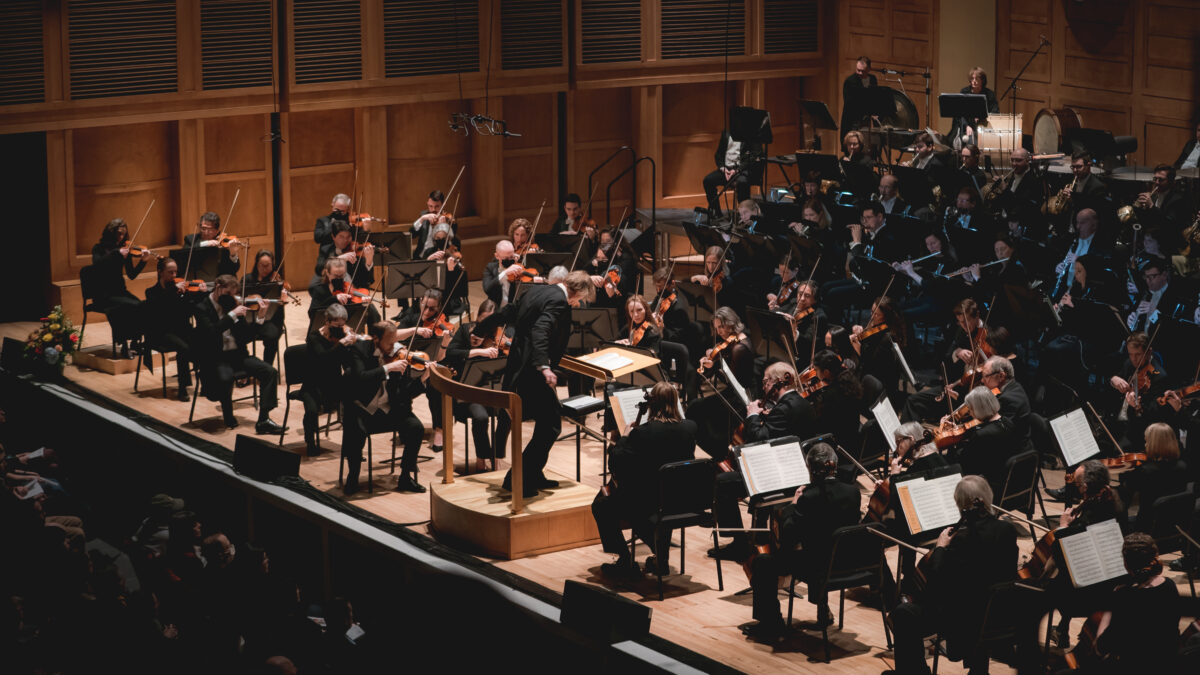
It may seem a fool’s errand to try to write about this massive work in a few hundred words. The symphony requires over 80 minutes to perform, employs an enormous orchestra that includesextraordinary percussion, encompasses a vast range of emotion, and pushes musicians and audiences to their limits. Nonetheless, a few ideas may serve as guides as you listen.
Mahler wrote his sixth symphony during the summers of 1903 and 1904, when he was on break from his grueling work as head of the Vienna State Opera. These summers were joyful times, with the composer and his young family together at an Austrian mountain retreat. Mahler enjoyed success as a composer and at the opera in Vienna. By rights, this symphony should be one of his most optimistic, but it is quite the opposite. His wife Alma wrote, “Not one of his works came as directly from his inmost heart as this… The music and what it foretold touched us deeply….” His friend and devoted interpreter, the conductor Bruno Walter, wrote, “The Sixth is bleakly pessimistic: it reeks of the bitter cup of human life.”
Critics at the premiere were divided in their opinions. Some found it a magnificent work both technically and emotionally while others accused it of wandering aimlessly and stealing ideas from a range of mediocre German composers. Hearing the work years later, American composer Aaron Copland admired this music “that is full of human frailties” and “suffused with personality.” He noted “the special quality of [Mahler’s] communings with nature” and “the pages of incredible loneliness.”
The fact is that an artist’s creative work and outward life are not required to mirror each other. Mahler could be happy with his family, enjoying long hikes in the mountains, feasting on fresh air and sunshine, while still wrestling with his inner demons through his art.
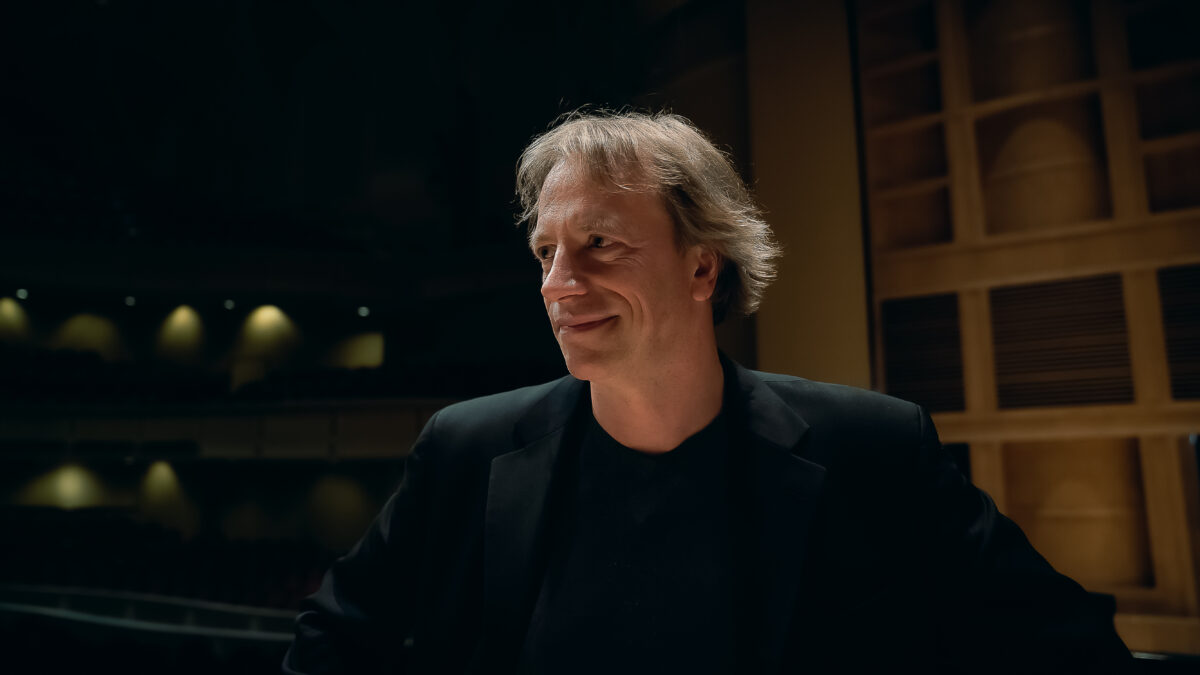
Two technical matters require your attention. As PSO Orchestra Librarian Lucas Goodman writes: “Mahler famously revised his symphonies throughout his life, which has led to ongoing scholarship and the publication of new “Critical Editions” of these works every few decades. Tonight’s performance will use the most recent of these, completed by the noted Austrian musicologist Reinhold Kubik in 2010. Kubik’s primary focus is the order of the inner movements; he places the Andante before the Scherzo, as performed by Mahler himself at the symphony’s premiere. Maestro Preu has chosen to follow this order.”
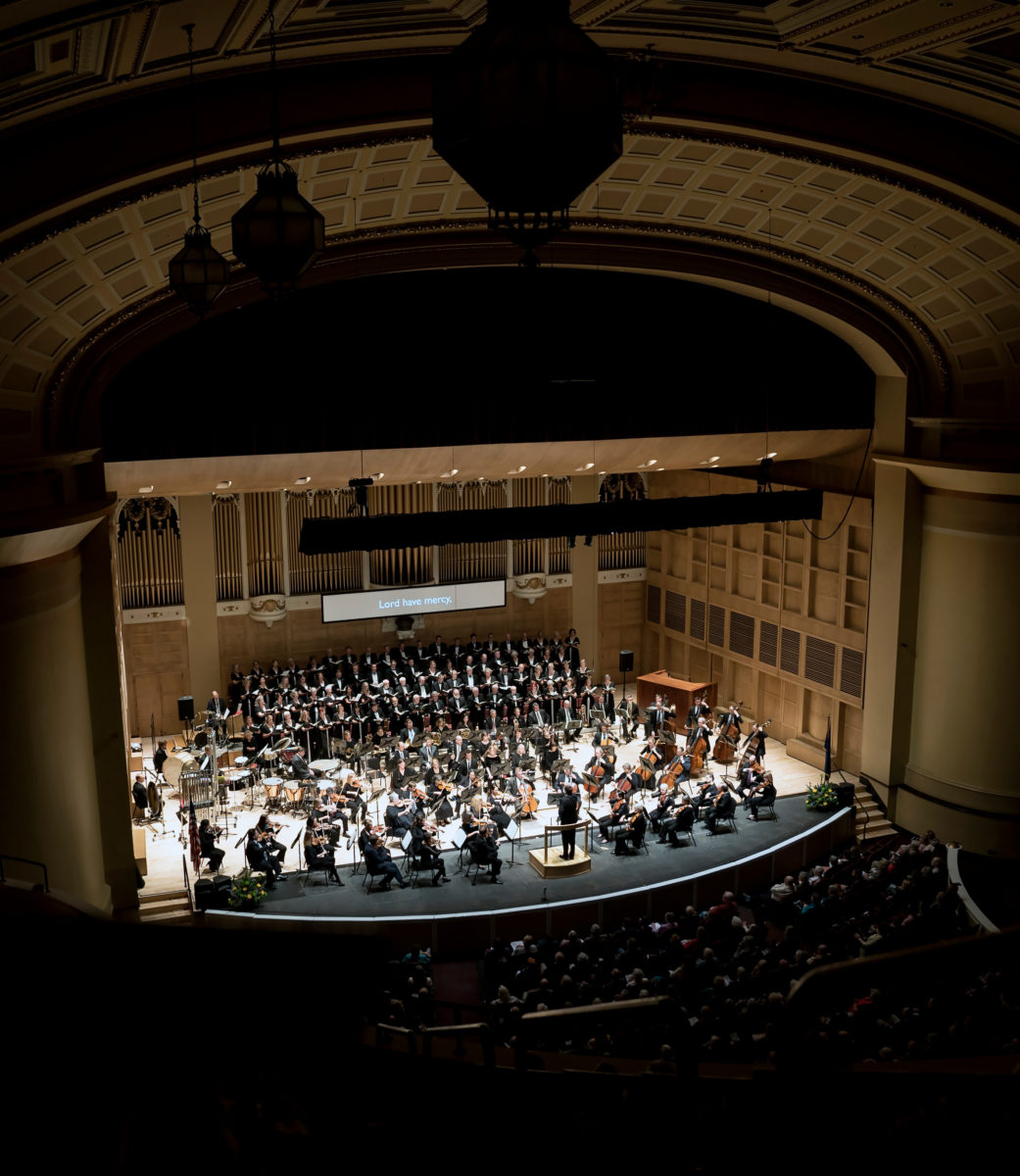
Finally, it is necessary to mention the hammer blows of fate in the final movement. Mahler imagined a sound that would be “brief and mighty, but dull in resonance and with a non-metallic character — like the fall of an axe.” At the symphony’s premiere in 1906, the sound was judged inadequate, and percussionists and conductors have searched ever since for the ideal hammer and the ideal sound. Mahler himself was superstitious about the number of hammer blows, and generally avoided a third one that he felt would seal his fate. Tonight’s performance will include 3 blows of a mighty hammer on a resonant wooden box built specifically for this concert.
– Martin Webster