Dawnland to the Planets Program at a Glance
Sunday, January 25, 2026
Monday, January 26, 2026
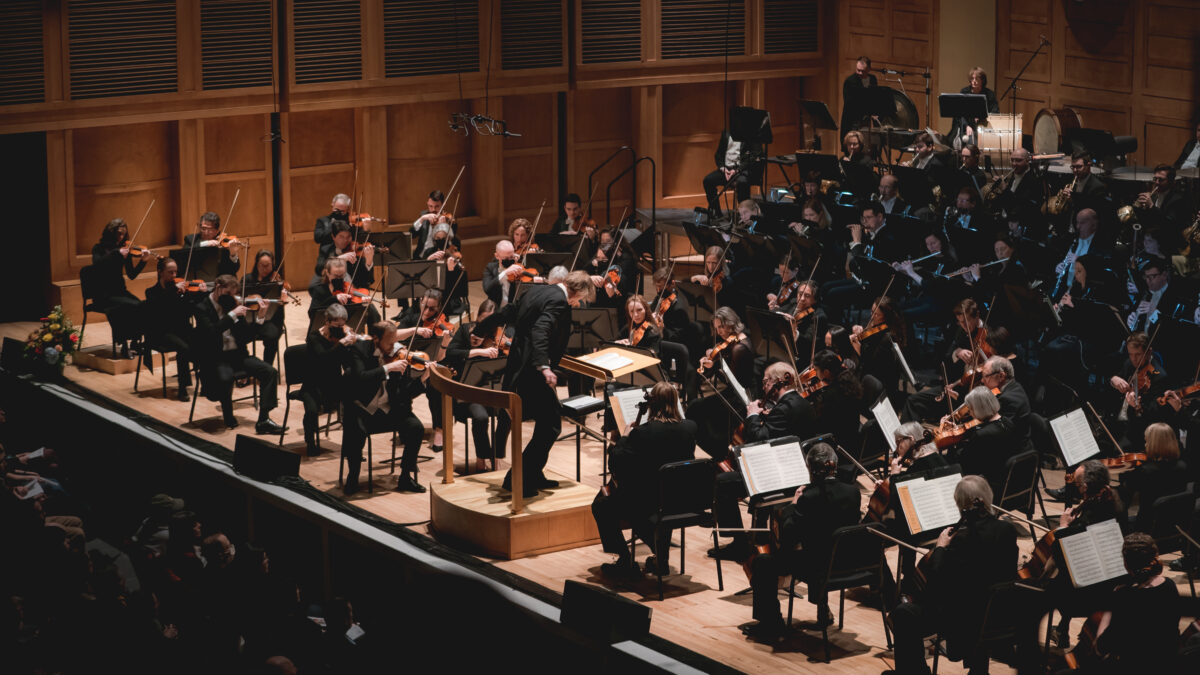
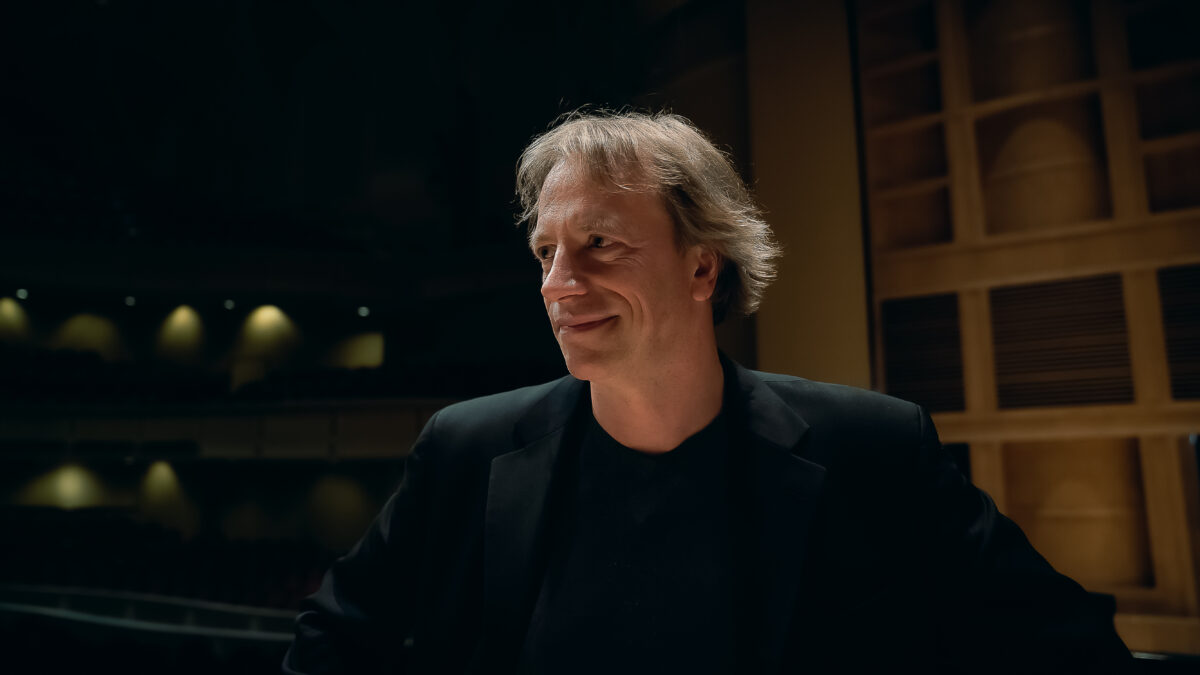
These concerts continue the PSO’s exploration of music inspired by nature. Guest conductor David Amado’s October program evoked the heavens and the Greek and Roman Gods whoinhabit them. This weekend PSO Music Director Eckart Preu leads the orchestra in music about inner and outer worlds and how we humans interact with nature. In February, guest conductor Morihiko Nakahara’s classical program will conjure up open spaces far from cities. PSO premieres abound, with new performers and composers featured today and next month.
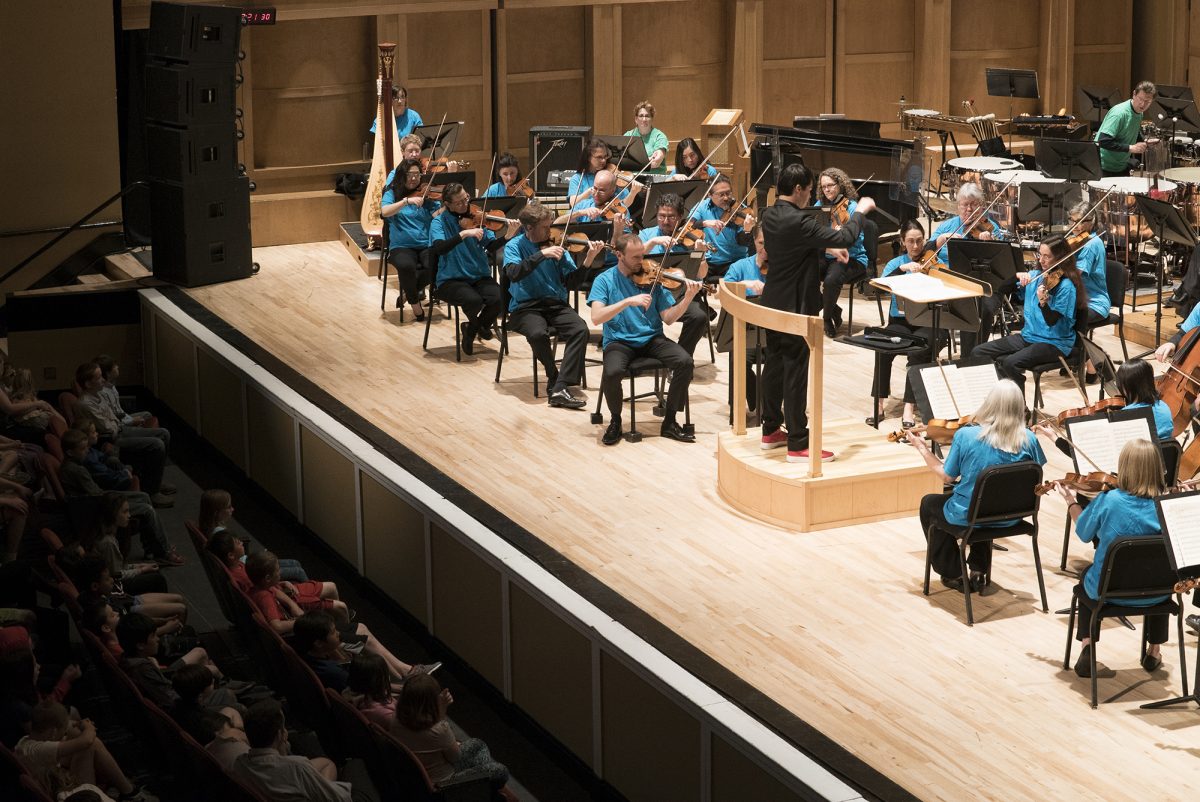
Max Richter’s music was first heard at the PSO with The Four Seasons Recomposed, a re-imagining of Vivaldi’s popular work. Four PSO violinists, Charles Dimmick, Amy Sims, Sarah Atwood and Sasha Callahan, shared solo duties in a concert recorded on October 4, 2020 before an empty concert hall. This was the PSO’s first orchestra concert of the 2020-21 season, during the COVID pandemic, when all concerts were online only. If today’s brief work, On the Nature of Daylight, sounds familiar to you, it could be because it has been heard in several contemporary films and TV series, including Hamnet, currently in theaters.
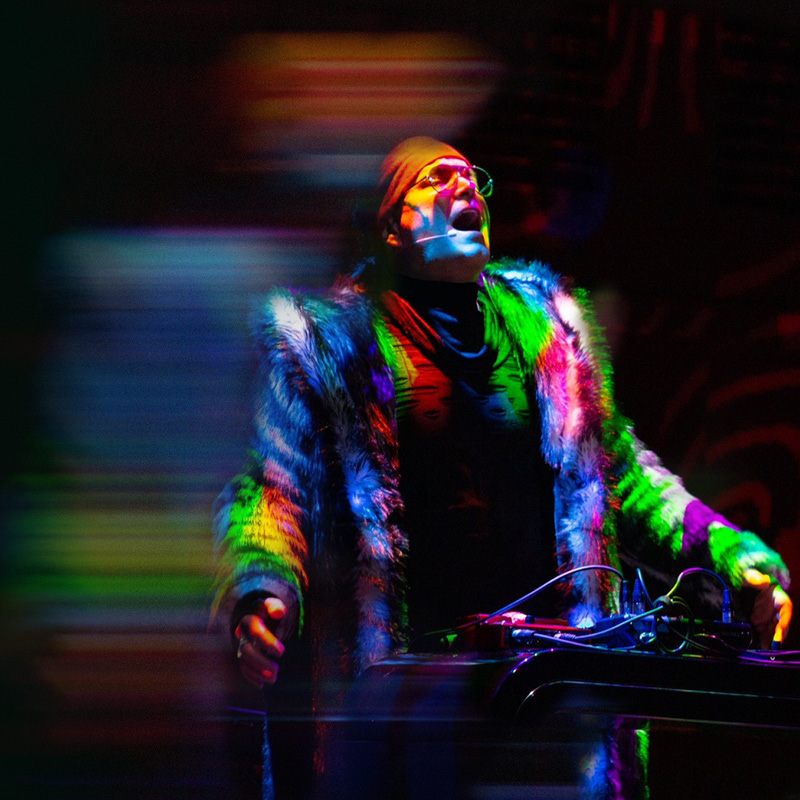
Militikwat is the PSO’s first artistic collaboration with a Wabanaki composer and performer, Jason Brown, who will perform his own music. The fourth movement of his piece, Dreamland, is receiving its world premiere at these concerts.
Gustav Holst’s The Planets has emerged as the most durable and popular work by this early 20th century English composer. He wrote for a huge orchestra that includes bass oboe, 6 horns, 2 harps, celesta and organ, and in the final movement, Neptune, a wordless offstage women’s chorus. This is a showpiece par excellence, by turns exuberant and mystical, fanciful and insistent. Fans of the music of John Williams may note many moments in which Williams took inspiration from Holst’s much earlier work!
– Martin Webster