Scheherazade Program at a Glance
Sunday, November 16, 2025
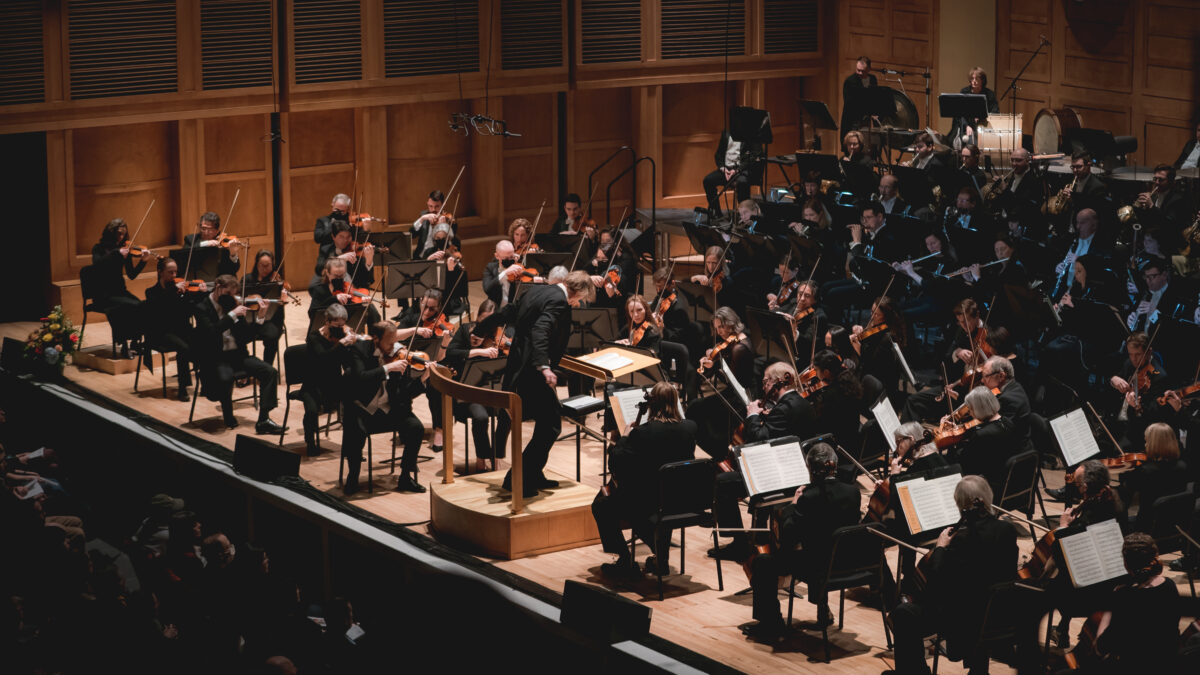
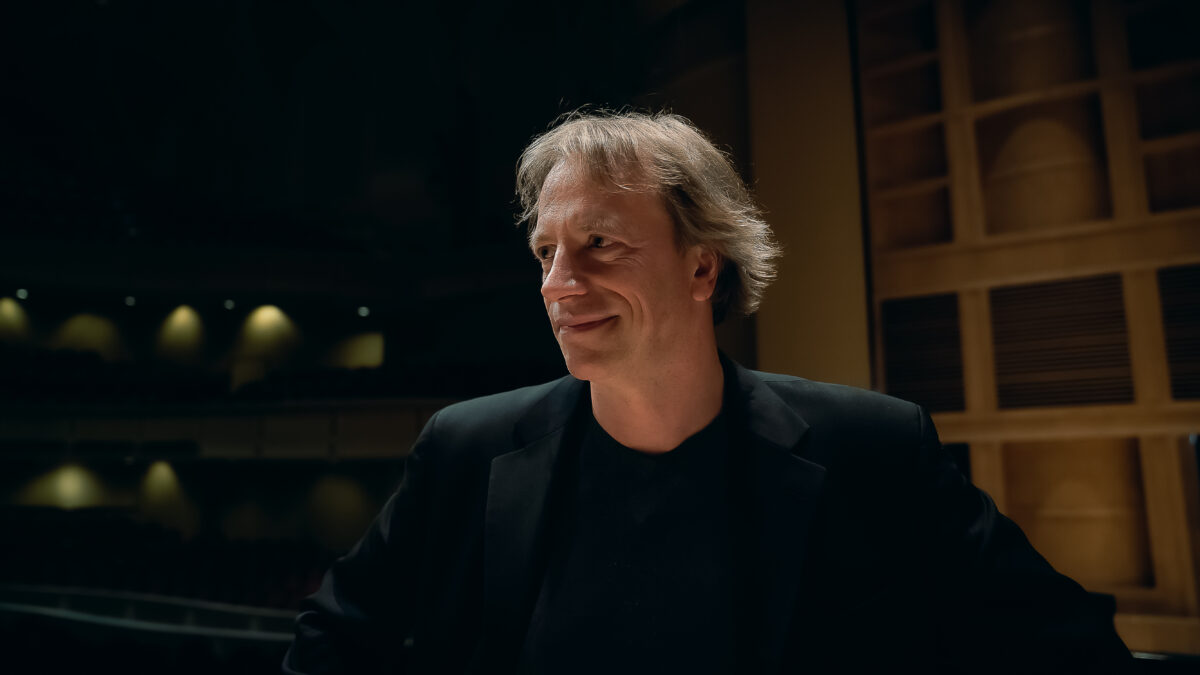
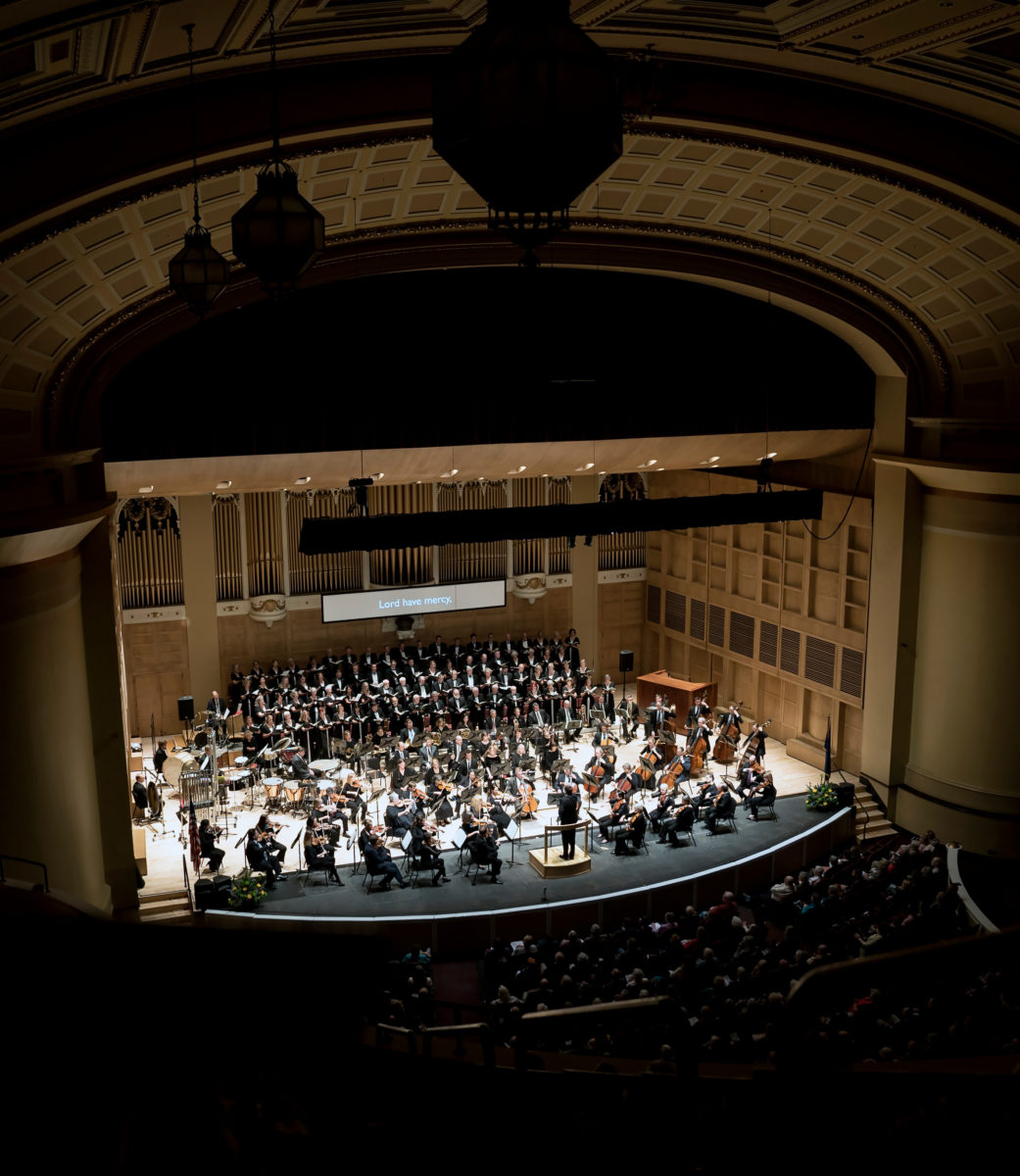
PSO Music Director Eckart Preu returns to our podium with a program about color, light and atmosphere, but also about the desire of cultures to mix and evolve.
American composer Jessie Montgomery explains that her exuberant work was inspired byunexpected musical pairings she experienced walking down the street in her New York City neighborhood. “Some of the pairings are merely experiments…the orchestra takes on the role of DJ of a multicultural dance track.” There are bright colors, with exciting solos for members of the orchestra, especially the principal bass. The piece ends perhaps unexpectedly, and quietly.
Maurice Ravel, whose Piano Concerto in G Major we hear next, was of Basque heritage, though he moved to Paris for his education and career. Like many progressive composers of his time, he loved jazz, that exciting and slightly risqué import from the US, and used its rhythms and colors whenever he could. There’s an interesting contrast between the spontaneity of live jazz and the perfectionism of Ravel’s working style, but in fact, this concerto succeeds brilliantly on all accounts. It feels spontaneous, the solo part is brilliant, there are exciting solos for several orchestra members, and the colors of a jazz ensemble pop up in the most interesting ways. Guest artist Clayton Stephenson makes his PSO debut at this concert.
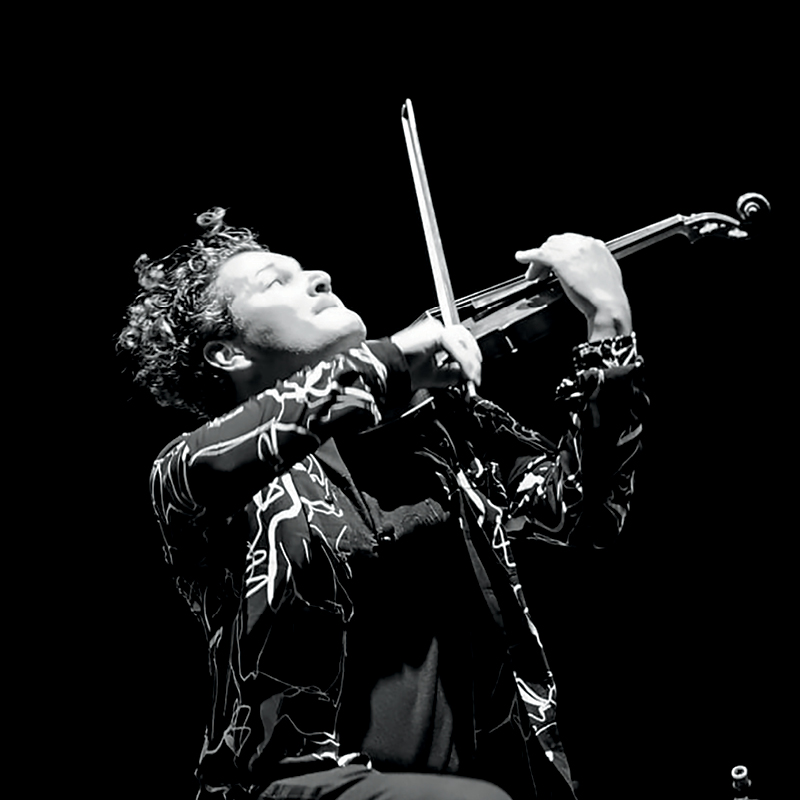
After intermission, the orchestra plays the most famous work of Russian composer and pedagogue Nicolai Rimsky-Korsakov, Scheherazade. The piece loosely depicts some of the tales told by the Persian princess Scheherazade, whose story-telling gifts save her own life by distracting the sultan who waits to behead her. The recurring violin solos portray the heroine herself. Rimsky’s most glittering, plush orchestration is in use throughout, with exciting passages for winds, brass, and percussion.
– Martin Webster